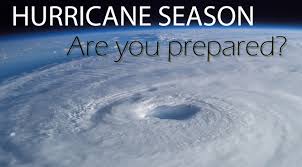
The Atlantic hurricane season runs from June 1 through November 30 each year. Once a hurricane develops in the Atlantic, it may be difficult to find an insurance company willing to write hurricane-related coverage for your home, vehicle or business until after the storm threat passes.
As Hurricane Helene reminded us, even areas hundreds of miles from the coast can experience damage caused by hurricanes. Most hurricane damage is caused by flooding, not high winds. Even minor floods can cause extensive damage to your home, vehicle, business and belongings.
“Don’t wait until it’s too late. The time to prepare for hurricanes is now, before the first storm starts to form,” said Virginia Insurance Commissioner Scott A. White. “Protect yourself, your loved ones and your home and property, both physically and financially. Review your insurance policies and know what is and is not covered. If you have questions, contact your insurance agent or company or the Bureau of Insurance.”
The bureau offers the following reminders:
- Homeowners, renters and commercial insurance policies issued in Virginia typically do not cover damage caused by floods, surface water or storm surge. The federal government sells insurance for direct flood and flood-related damage to homeowners, renters and businesses in eligible communities through the National Flood Insurance Program (NFIP).
- Keep in mind that there is typically a 30-day waiting period for a new flood insurance policy to take effect. To learn more about this program, contact your insurance agent or the NFIP at 877-336-2627 or visit floodsmart.gov. Some private insurers also offer flood policies, so check with your insurance agent about the availability of a private flood insurance policy. Flood coverage available through the NFIP may differ from private flood coverage, so it’s important to understand the differences. No matter which option you consider, ask whether your flood policy covers your personal property.
- Some homeowners insurance policies require a special deductible for wind or hurricane losses. These deductibles may be applied separately from any other deductible on the homeowners policy. Deductibles may be written as a flat amount, such as $1,000, or as a percentage. A percentage deductible is based on the insurance coverage limit, not the amount of damage, such as 2% of a $200,000 coverage limit ($4,000). Remember that the deductible is the amount that you must pay before the insurance company pays its portion of a claim.
- Prepare an inventory of your personal property, including photographs, videos and serial numbers. Having a home inventory can facilitate the claims process if damage occurs. The National Association of Insurance Commissioners offers a free home inventory app – available through the App Store and Google Play. Keep your insurance policies and home inventory together in a secure, waterproof and fireproof place.
- If your property is damaged in a hurricane, contact your insurance agent or company as soon as possible. Once it is safe to do so, make any necessary emergency repairs and take reasonable steps to prevent further damage to your property. Additionally, make a list of all damage to your property and include photographs, notes and repair-related receipts.
- If you must evacuate, know the name of your insurance company and take your insurance policies and your home inventory with you, or make sure you can access these important documents electronically. The policies will contain your policy numbers and the phone numbers of your insurance companies in case you have questions or need to file a claim.
For additional emergency preparedness information regarding hurricanes and other types of disasters and hazards, visit the Virginia Department of Emergency Management.